
SYNOPSIS
In a world where board games bring people together, one crucial aspect often goes unnoticed: color accessibility. The idea of Fair Play was born from a question: How can colors be made accessible to colorblind players in board game design? That is how I came to embark on an adventure, one with the goal of making games fairer.
CHAPTER ONE
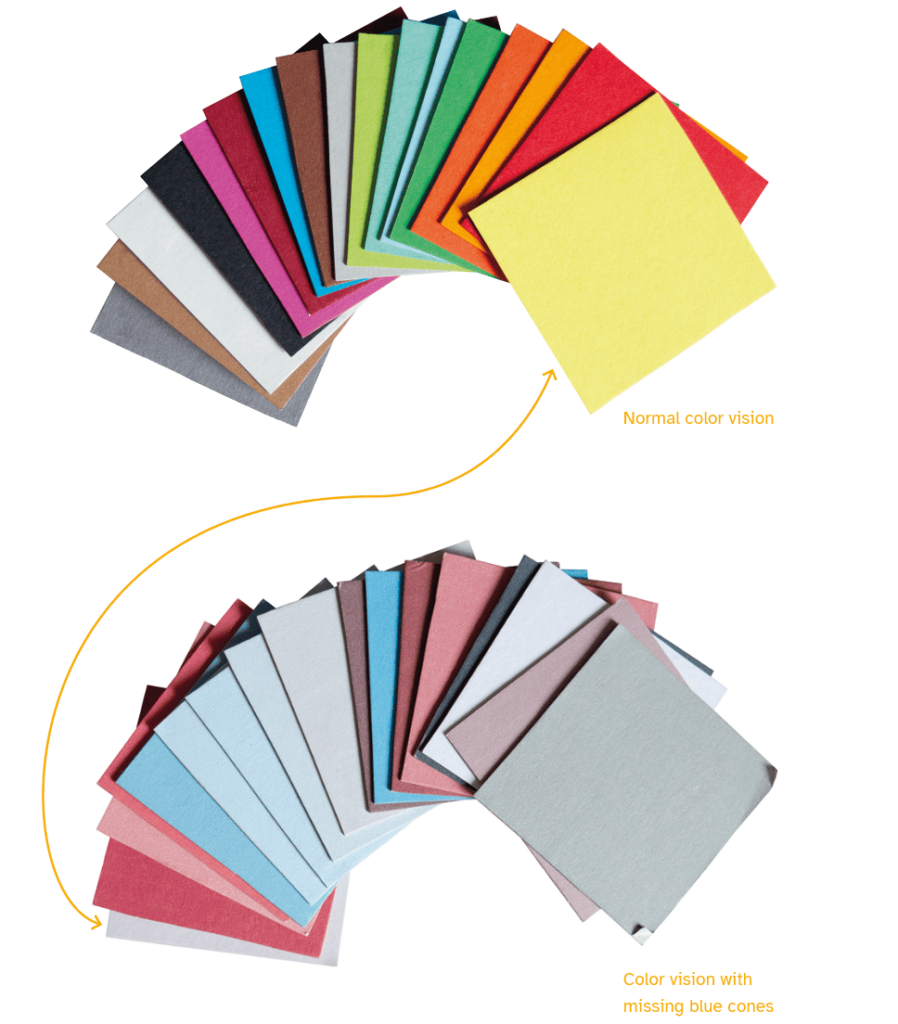
I stepped into a place where the colors around me aren't quite as vivid as they used to be. Either my mind was playing tricks on me or I was daydreaming again. Both very plausible options. Everything looked grey, blue or pink. What happened to the colors? After long minutes of reflection, I came to the conclusion that there was only one explanation: I, somehow, became colorblind. The gene runs in the family after all, but I never thought it would manifest itself out of nowhere.
CHAPTER TWO
I continued to walk around this strange place, where everything seemed to have been designed to prevent me from using it. Even crossing the road turned out to be a challenge, luckily this alternative version of Berlin still had the Ampelmännchen an its two shape variants, which helped me figure out when was the appropriate time to cross. Not wanting to drive a car finally paid off. I got to one of my safe places, Thalia, and, as usual, started browsing through books and board games. To my horror, I realised that every single board games had a color-based gameplay. Not seeing all the colors, I could get used to that, but to rob me from the pleasure of playing board games?! Enough is enough. It was time for me to create my own game, and in this one, only color blind players would be able to play properly. Was I being petty? Maybe. But who's gonna stop me.
CHAPTER THREE
It took me months to go through every articles, books and research published on the topic. What a relief to know I was not the only one who got pulled inside this colorless dimension. There were solutions out there, people who went through the same thing. I just needed to use these information in an efficient way. The most interesting one in my opinion was the Reverse Ishihara Test. Designed to be visible to colorblind people only. Color vision, just like many things in life, is a spectrum. And on the other side of it, there are people who can see more colors than the average person, surely they can also read what is hidden is those images no? It would make sense.
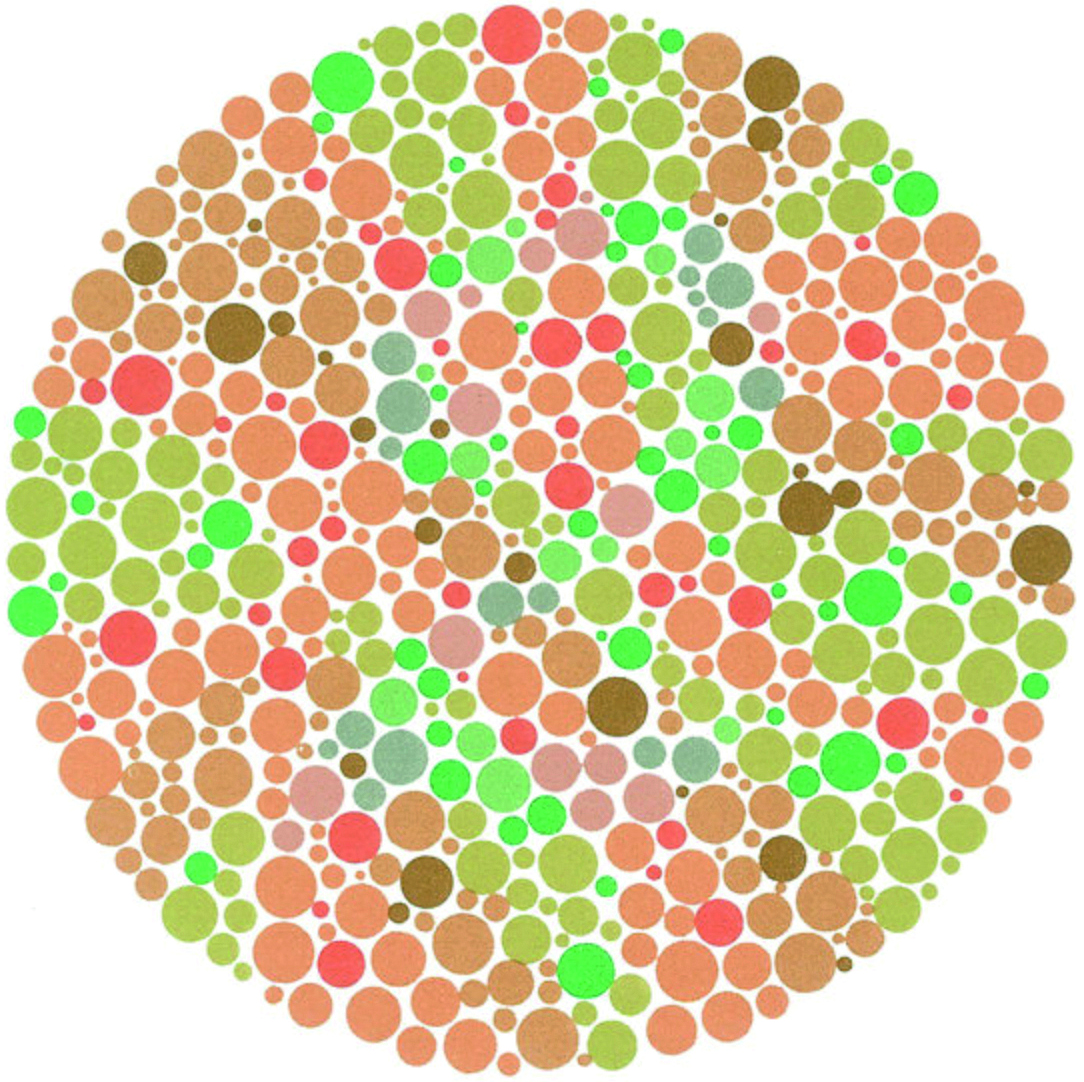
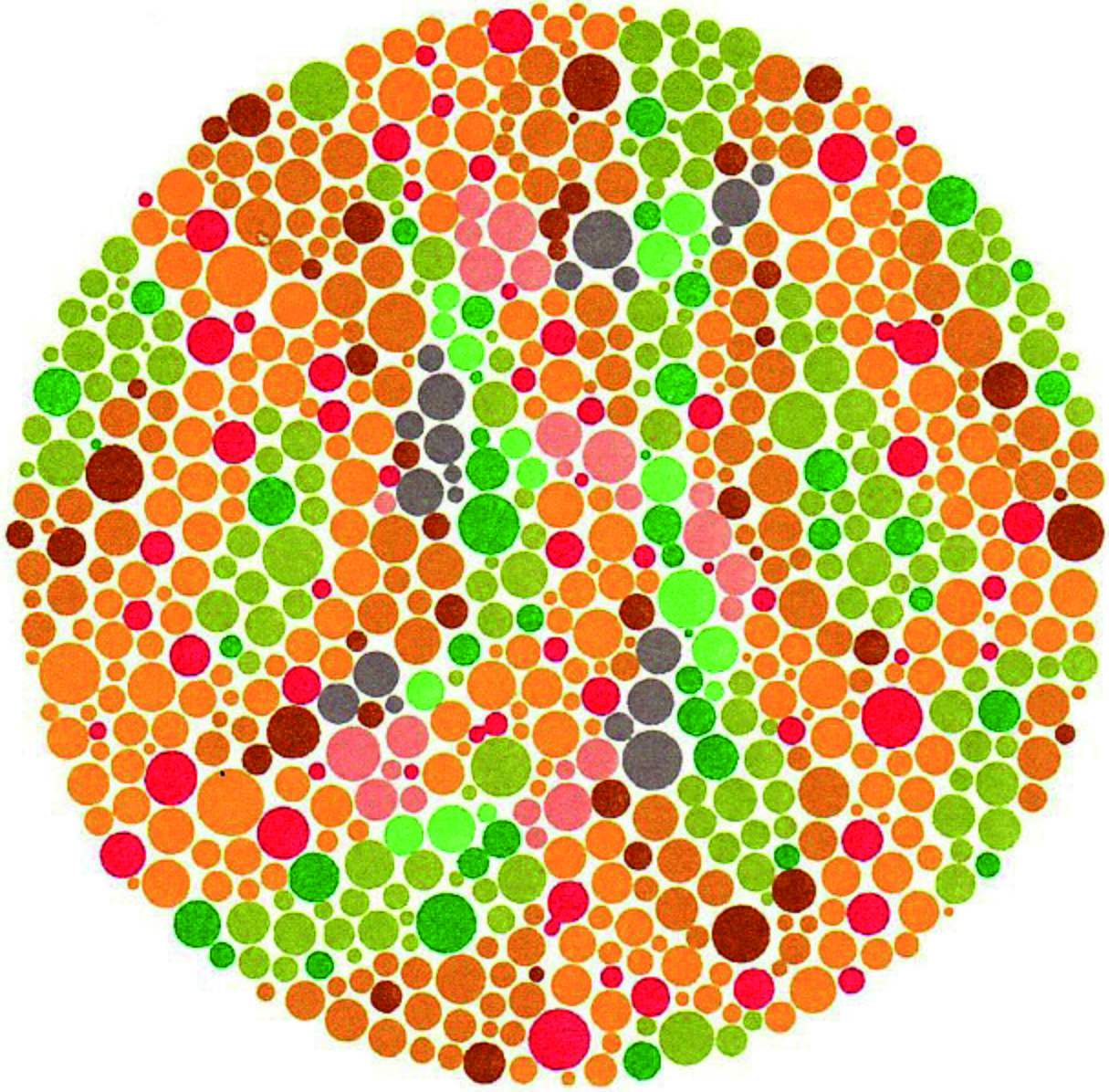
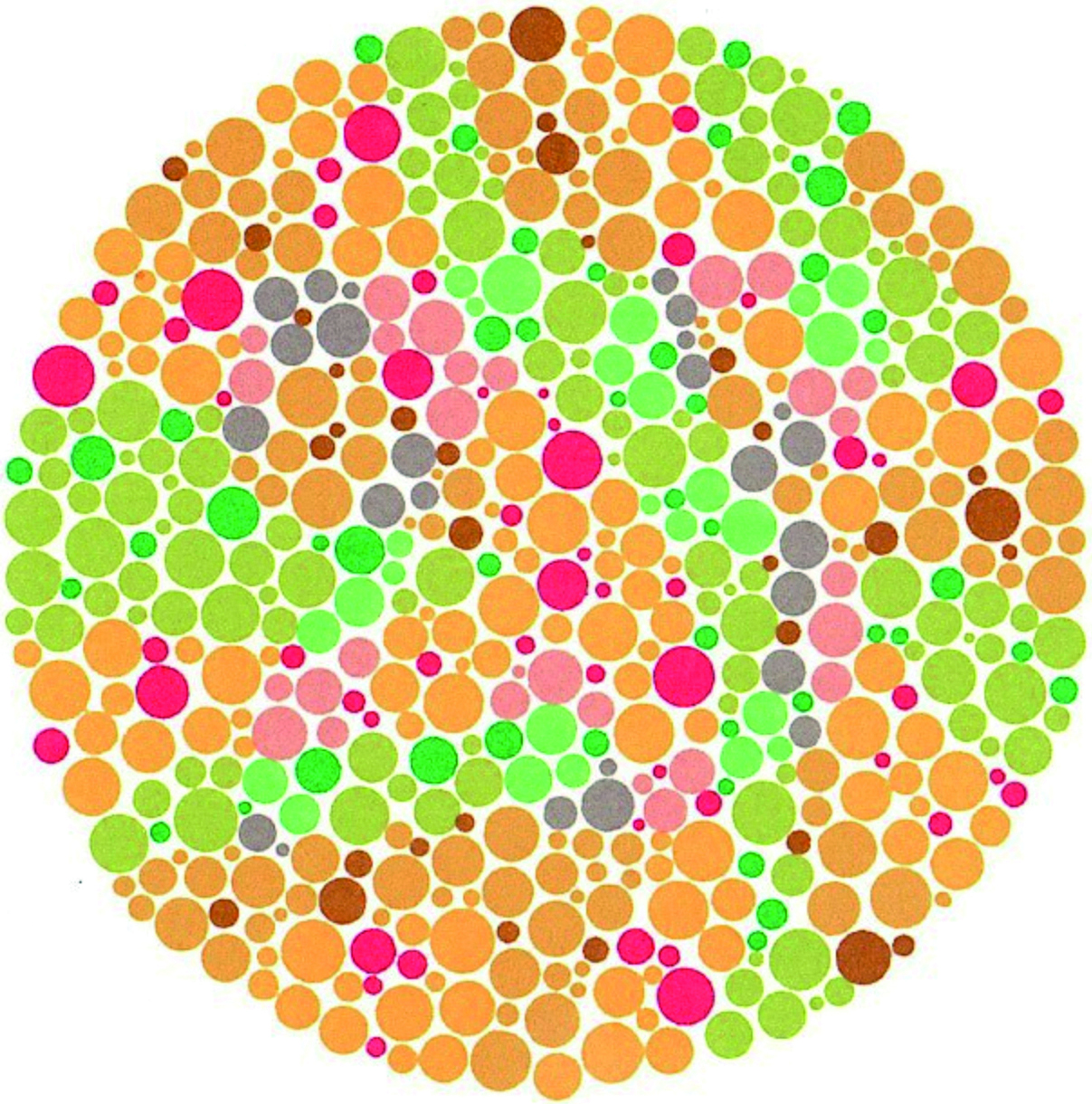
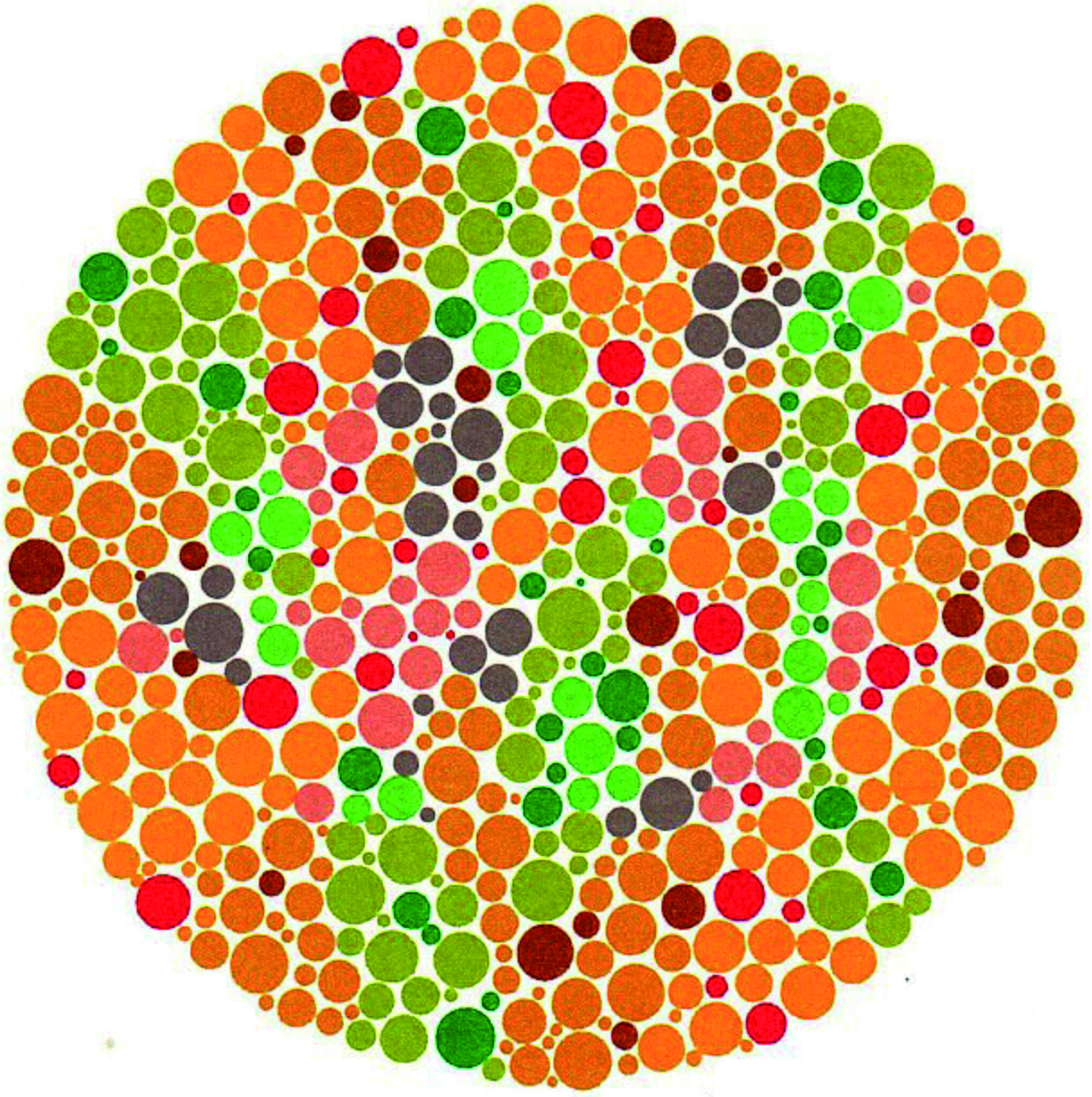
Enough daydreaming, back to work. I had to translate this process into a color palette. How else would I be able to make colors accessible in my future game.

Once my color palette was established, I needed a way to display the colors, these bubble things were not my vibe. One thing you should know about me, I am a huge fan of modular origami. Therefore it was only natural I would go for triangles instead of bubbles. Moreover, the numbers are too easy to recognize. What I wanted was to bother your eye, to make you not understand what you are looking at. But still easily identifiable for the color blind players. Animals would do the trick.
With this established triangle based grid system, I decided to create a font that could be used for the game design. Perfect excuse to apply the knowledge I gathered during my typography classes.
CHAPTER FOUR
The game was simple. Four cards in hand, four in the center. Pick a pattern, collect four of a kind, and score points. The dealer shouted “Go!” and chaos erupted as everyone scrambled to exchange cards. The first to shout “Stop!” after completing their set froze the scores. But that wasn’t the most interesting part. The Unfair Play card—an unpredictable twist for the player in the lead —was where the real fun happened.
The goal was clear: immerse normal vision players in the experience of not being able to rely on their color perception. Instead, they would rely on other visual cues, like pattern recognition, just as colorblind players would. I had figured out how to make the game work for colorblind players, so in this colorless dimension, the absence of color didn’t matter anymore.
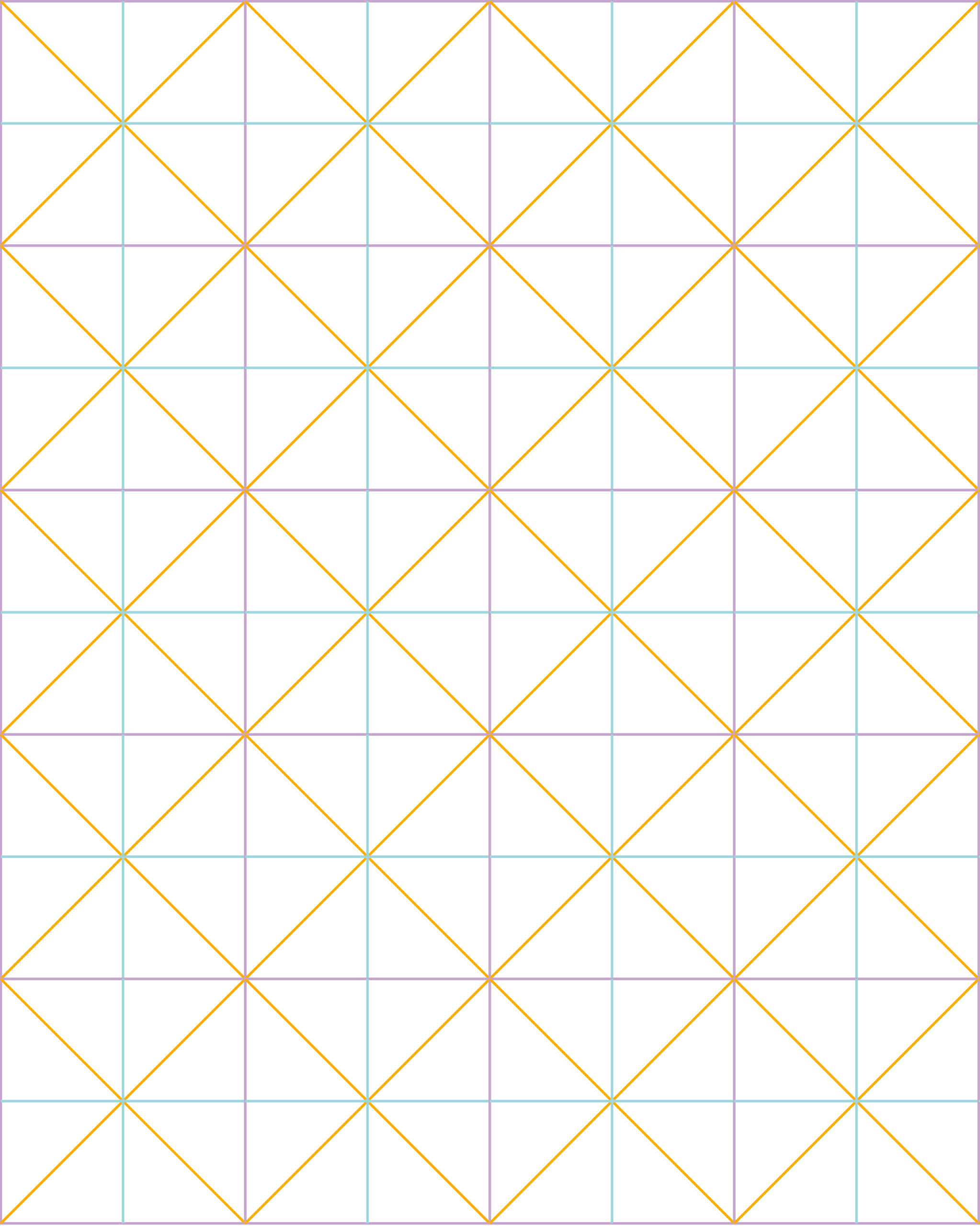
Triangle-Based Grid System

Accessible Color Palette
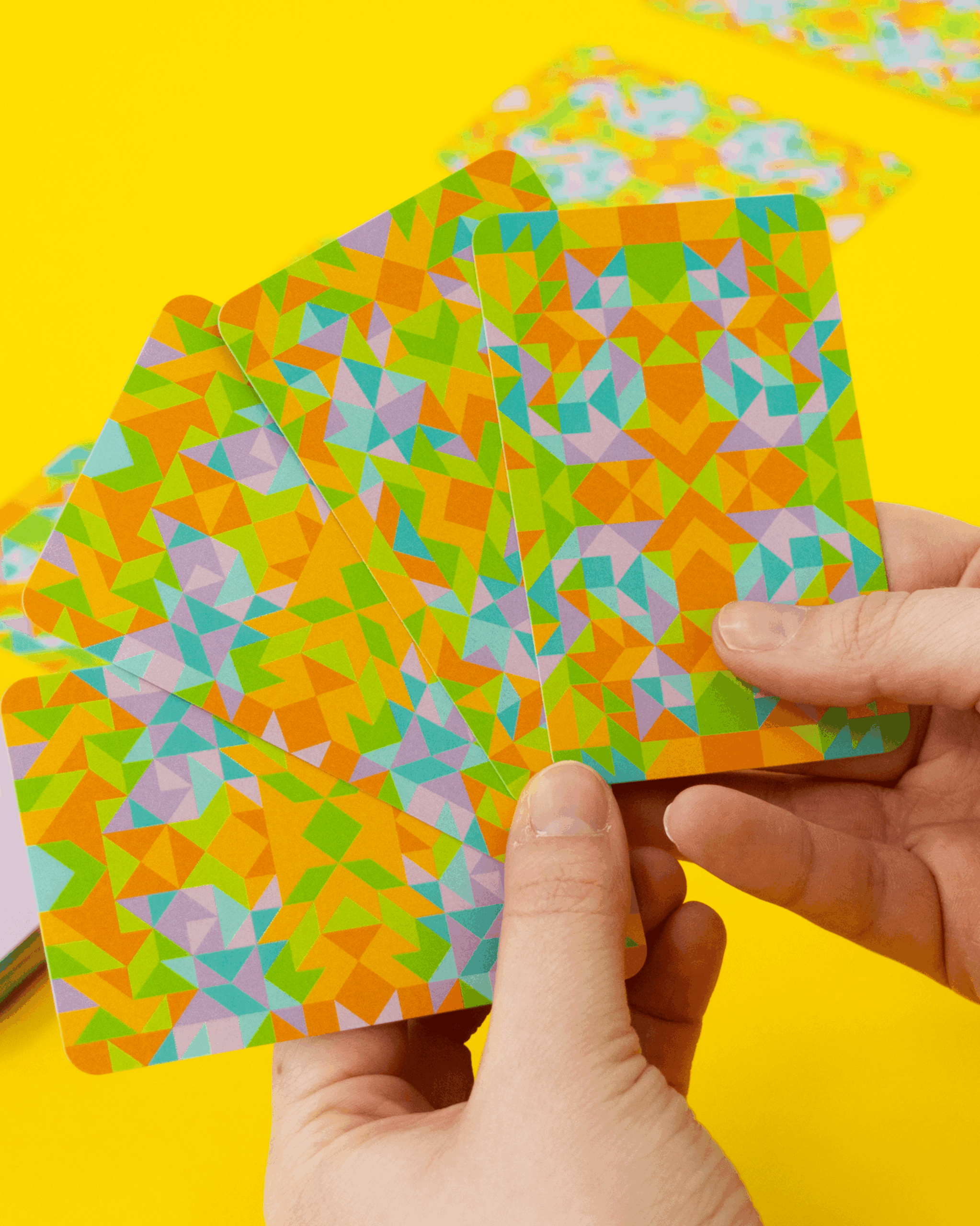
Critical Design Approach
About us